


England prepare to reveal Six Nations hand as Borthwick races the clock


The Six Nations represents a crucial waypoint on the journey toward next year’s World Cup, and with injuries beginning to mount, Wales may present the only genuine opportunity for experimentation.
At first glance, the Champions Cup has served most Six Nations head coaches well ahead of this year’s championship. Gregor Townsend, for instance, would relish Scotland replicating the intensity and clarity currently flowing through Glasgow, and he will surely hope those same qualities transfer seamlessly to the international stage.
France fall into a similar category. If Fabien Galthié were to ignore the scintillating form of Matthieu Jalibert particularly with Romain Ntamack sidelined for several weeks it would raise eyebrows. There is little logic in refusing to fully reconcile with the Bordeaux fly-half when his understanding with Louis Bielle-Biarrey and Damian Penaud has been so devastating at club level.
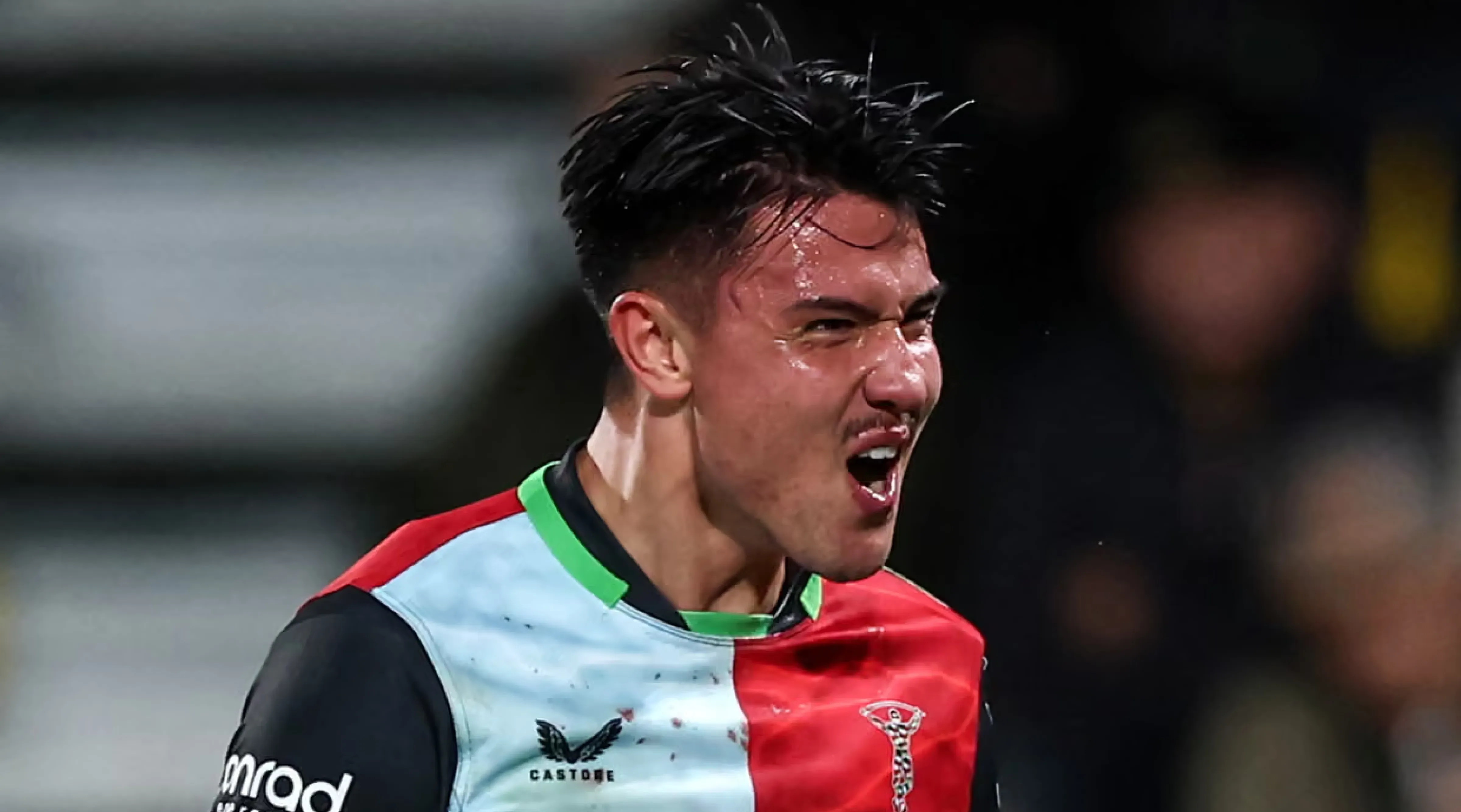
Club form offers clues, but England’s picture remains blurred
Even Wales could take guarded encouragement from the Scarlets’ display, despite defeat, against Northampton on Sunday. Ireland, meanwhile, must contend with injury concerns ahead of Wednesday’s squad announcement, but Leinster’s consecutive victories over Top 14 opposition provide reassurance as their Six Nations opener against France in Paris approaches on 5 February.
Which brings the focus firmly to England, who will unveil their Six Nations squad on Friday. On the surface, the Champions Cup has offered positives. Seven English clubs have reached the last 16, with two more progressing in the Challenge Cup. Only Gloucester a side light on England regulars failed to make the knockout stages.
Scratch beneath that surface, however, and the signals become more mixed. Saracens overcame Toulouse in grim north London conditions, only for an England-laden lineup to be soundly beaten at Scotstoun days later. Northampton conceded 50 points in Bordeaux, while Sale’s severely weakened side were dismantled 77-7 in Toulouse, a reminder of the enduring brilliance of Antoine Dupont and company.
Harlequins’ impressive win in La Rochelle, inspired by Marcus Smith, further complicated matters. Bath, too, have surged into the last 16, yet their most influential England-qualified forward of recent weeks Alfie Barbeary has not fully persuaded head coach Steve Borthwick that he offers more than alternatives such as Exeter’s Greg Fisilau or Leicester’s Emeka Ilione.
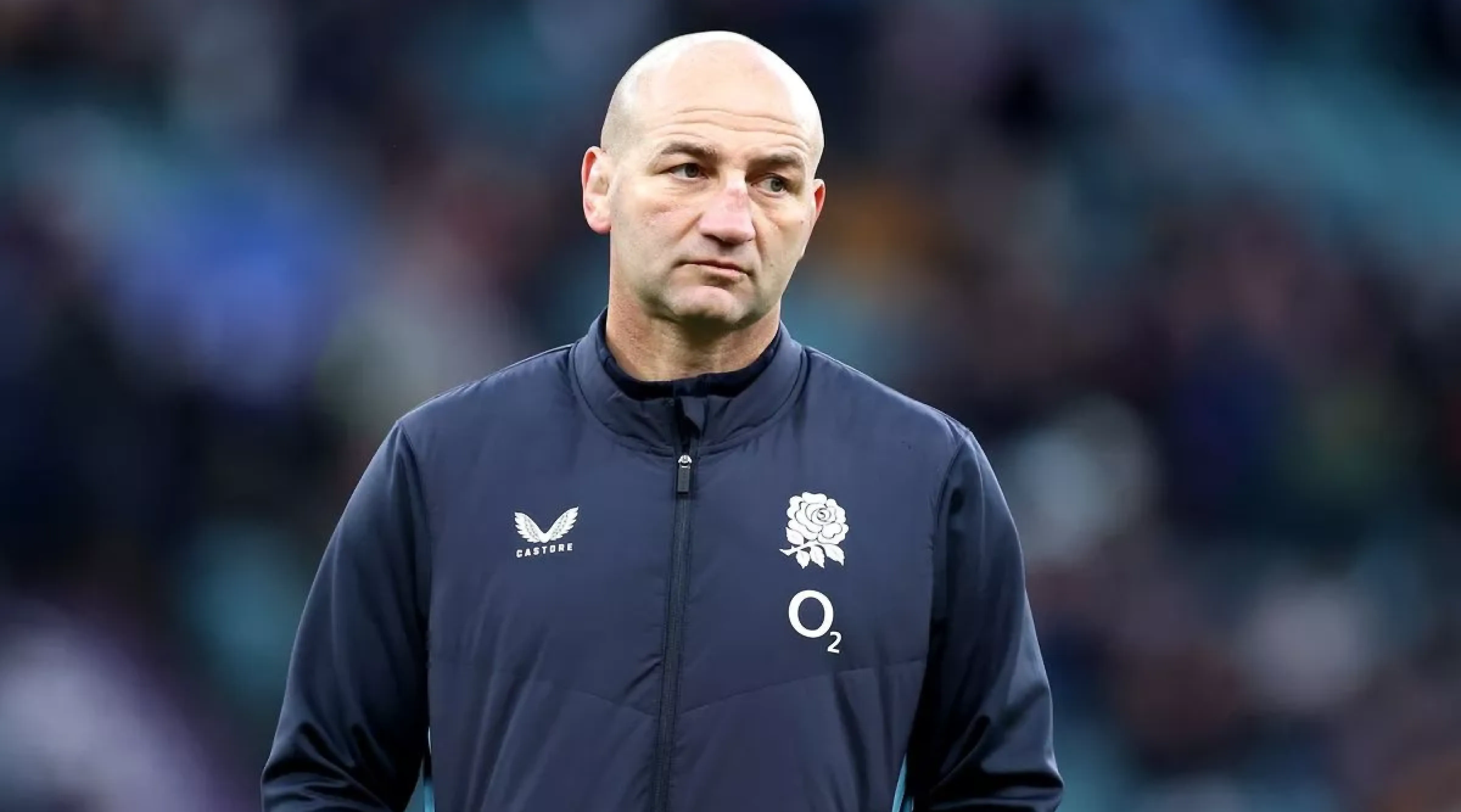
Selection depth tested by injuries and positional logjams
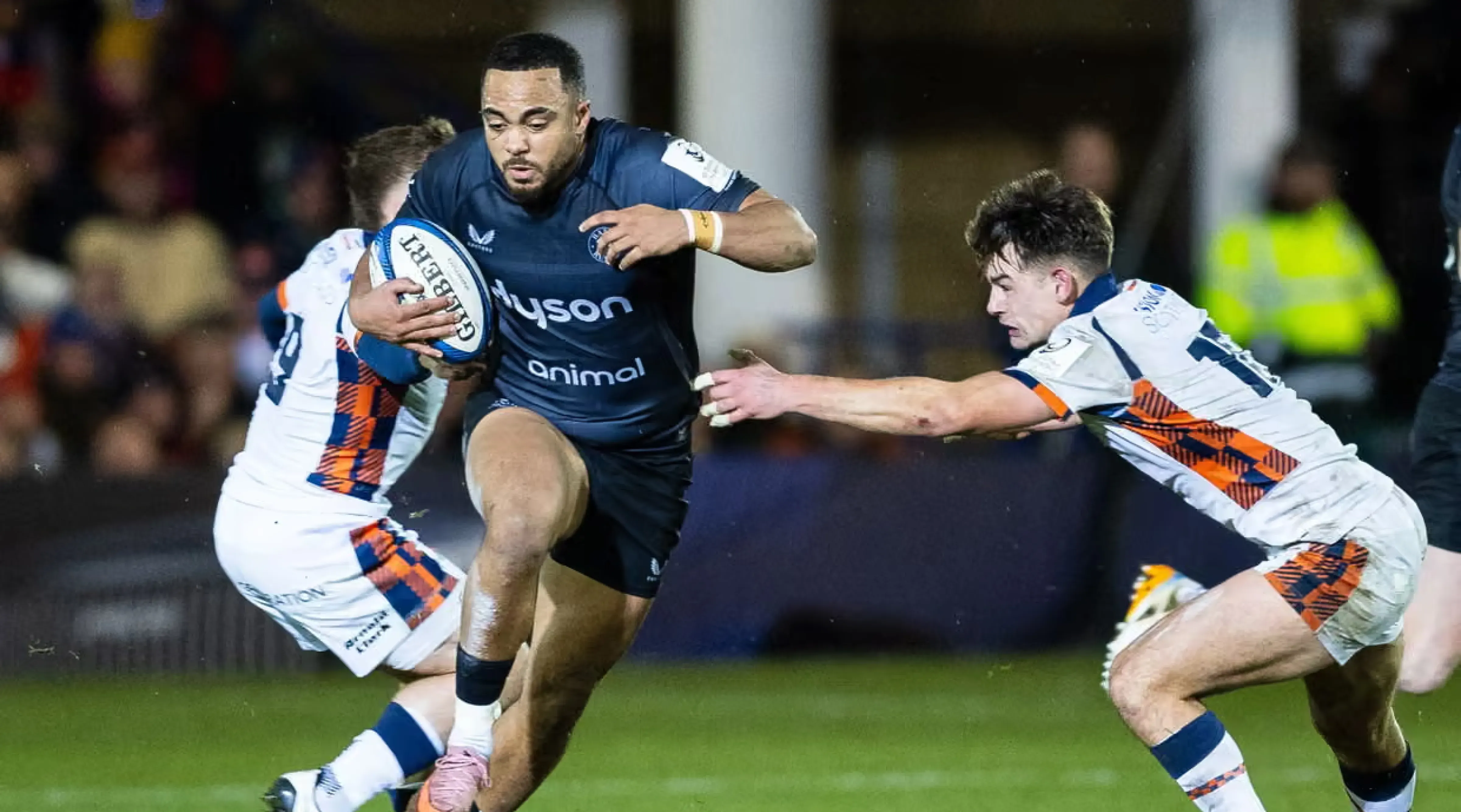
Ironically, the Bath player who looked most destructive against Edinburgh was Joe Cokanasiga, appearing sharper and more powerful than he has in some time. But given Borthwick’s emphasis on aerial dominance, several rivals currently sit ahead of the big winger in that particular pecking order.
All of which underlines just how complex national selection can be. Choices at No 8 or behind the scrum matter little if England are left short of fit props and struggle for front-foot ball. With Will Stuart and Asher Opoku-Fordjour ruled out for months and Fin Baxter likely to miss the opening round, Borthwick will be keen to avoid further attrition among his front-row resources.
That leaves Joe Heyes, Trevor Davison and either Vilikesa Sela or the youthful Afolabi Fasogbon to hold down the tight-head role, with Ellis Genge, Beno Obano and Bevan Rodd available on the loose-head side. Despite Borthwick’s preference for explosive bench impact, pragmatism may demand a broader approach.
Options elsewhere are plentiful. Anyone at the Rec on Friday night would have left convinced that Max Ojomoh possesses the skill set required of a top-class international centre. That poses a challenge for the tireless Fraser Dingwall scorer against the All Blacks in November and Gloucester’s Seb Atkinson, both of whom have impressed in the No 12 shirt within the past nine months.
If Dingwall does not start, selecting his Northampton team-mate Tommy Freeman at 13 becomes less straightforward. That, in turn, could see Freeman deployed on one wing, Manny Feyi-Waboso on the other, and one fewer opening for a crowded field of wide men including Tom Roebuck, Henry Arundell, Adam Radwan, Noah Caluori, Ollie Sleightholme, Cadan Murley, Will Muir, George Hendy and Cokanasiga.
Balancing continuity with the future World Cup vision
Decisions abound. England’s strength lies in an 11-Test unbeaten run, yet this Six Nations also represents a pivotal building phase toward the next World Cup. At a similar point in 2022, Eddie Jones named a 36-man Six Nations squad. Strikingly, only half of that group featured in the 2023 World Cup squad later overseen by Borthwick. Injuries and form play their part, but consistency remains just as vital.
As a result, do not expect a flood of new caps. In time, Borthwick may wish to assess uncapped scrum-halves such as Archie McParland and Charlie Bracken, or introduce emerging hookers. For now, the focus is on whether figures like Jamie George, Elliot Daly and Henry Slade can realistically reach the 2027 World Cup and, if not, when to invest minutes elsewhere.
Ojomoh, Arundell, a starting role for Henry Pollock, or Fisilau or Barbeary as high-energy wildcards? Each choice involves backing an instinct that may, or may not, deliver dividends.
The process is never precise. Of the six uncapped players named in Jones’s original 2022 Six Nations squad, only Ollie Chessum and Tommy Freeman truly established themselves. Others Barbeary, Ollie Hassell-Collins, Luke Northmore and Orlando Bailey have largely had to wait their turn.
Yet Borthwick is acutely aware that time is pressing. With victories the priority during this summer’s Nations Championship tours to South Africa and Argentina, a home fixture against a vulnerable Wales side may offer the final realistic chance to experiment. Even so, he will already be considering how much of Friday’s squad he intends to carry forward to Australia next year.
Want to add even more excitement to the moments? Try your luck and football betting on 1xBit with favorable odds and a wide line at 1xBit, the perfect place for every true fan.
FAQ
Rotation is possible, but it will likely be selective. With tight timelines and key away fixtures, England may prioritize stability early on, then adjust based on form, fitness, and opponent matchups.
The front row is the biggest concern. With several props unavailable or doubtful, England’s depth at both tight-head and loose-head could be tested, which can affect scrum stability and overall momentum.
Players like Max Ojomoh have made a strong case with recent performances, while options such as Greg Fisilau or Alfie Barbeary remain in the conversation as dynamic forwards who can change tempo.
Potentially very important. A home game against Wales may provide the best window to trial combinations and give meaningful minutes to fringe players before the tougher, higher-stakes matches and summer tours.
Both matter, but results tend to lead. England’s unbeaten run adds pressure to keep winning, yet the wider goal is to build a core group for the next World Cup cycle — meaning some development must happen alongside consistency.
Yes, but likely in controlled stages. Young talents may be introduced through training squads, bench roles, or targeted selections, especially where injuries create openings or where specific tactical profiles are needed.
Sergey Ilyin
An experienced specialist in the field of betting and gambling. He analyzes market trends, player behavior, and the dynamics of online gaming platform development. An expert in the intricacies of sports betting and knowledgeable about the regulatory framework of the gambling industry.