


Richest Poker Players: Top Richest Poker Player Net Worths


The richest poker players in the world didn't just win at the table - they built financial empires that extend far beyond tournament floors. This guide breaks down the top 10 poker earners by net worth in 2026, exploring how each player turned cards into capital, what income streams drove their wealth, and which names sit at the very top of the game's financial hierarchy.
Top Richest Poker Players by Net Worth in 2026
From bracelet winners to business moguls, the richest poker players net worth figures tell a story that goes well beyond tournament cashes. The table below captures the current standings:
Player | Est. Net Worth | Live Tournament Earnings |
Andy Beal | ~$12.6 Billion | N/A (business) |
Paul Phua | $400M - $1B | ~$30M |
Tony G | ~$300 Million | $11.3M |
Dan Bilzerian | ~$200 Million | Unverified |
Phil Ivey | ~$100-125 Million | $54.5M |
Sam Farha | ~$100 Million | Private |
Chris Ferguson | ~$80 Million | ~$9.5M |
Bryn Kenney | Est. $30-80 Million | $81M |
Daniel Negreanu | ~$60 Million | $57.7M |
Justin Bonomo | ~$65 Million | $65.6M |
Phil Hellmuth | ~$28 Million | $30.9M |
Phil Hellmuth ~ $28 Million
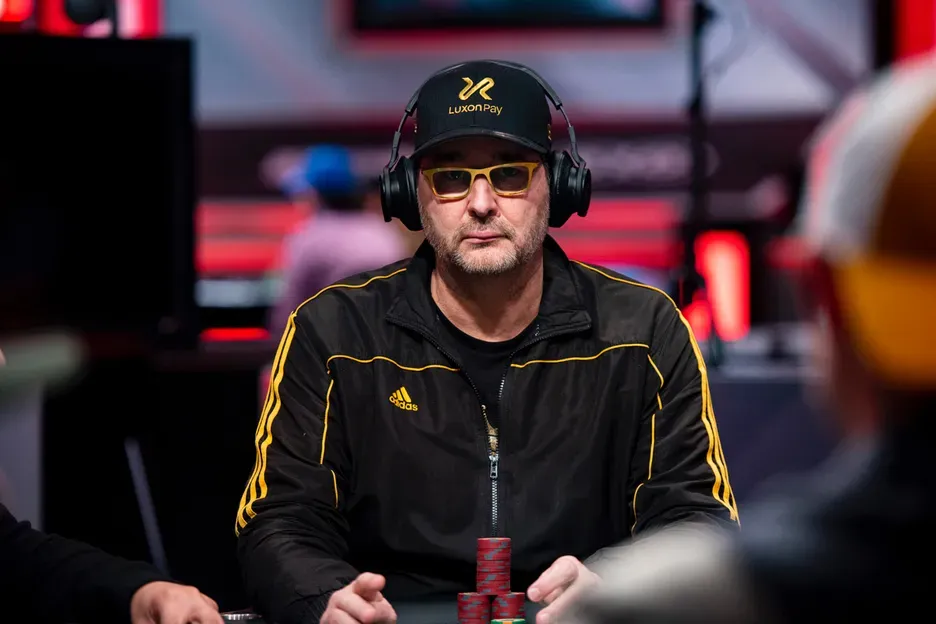
A record 17 WSOP bracelets. Over $30.9 million in verified live tournament earnings. A 1989 Main Event title won at age 24, which launched one of poker's most decorated and polarizing careers. Phil Hellmuth net worth of approximately $28 million draws from tournament results, a BetRivers ambassador deal, training content, books, and media appearances including his CBS Sports show, Hellmuth's Home Game. The pursuit of bracelet number 18 continues into the 2026 WSOP season.
Justin Bonomo ~ $65 Million
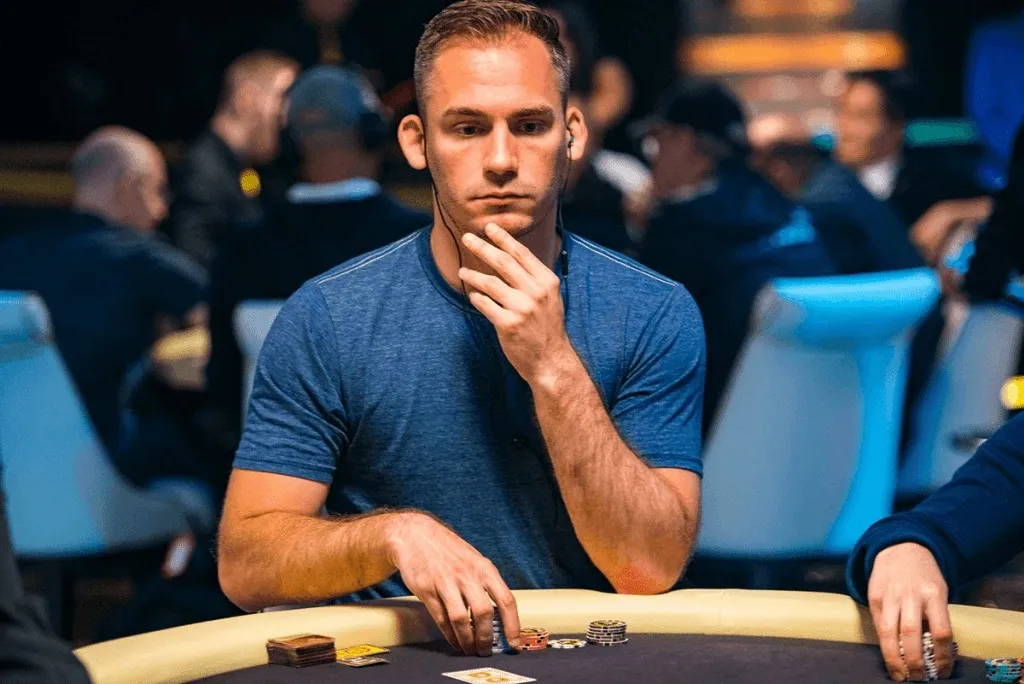
With $65.6 million in live earnings, Bonomo currently sits fourth on The Hendon Mob's All-Time Money List. His three WSOP bracelets include the 2018 Big One for One Drop - a $10 million score that remains the centerpiece of one of poker's greatest individual years. Active online under the alias "ZeeJustin," he supplements tournament income through strategic investments and continues competing deep into the highest-stakes events worldwide.
Daniel Negreanu ~ $60 Million
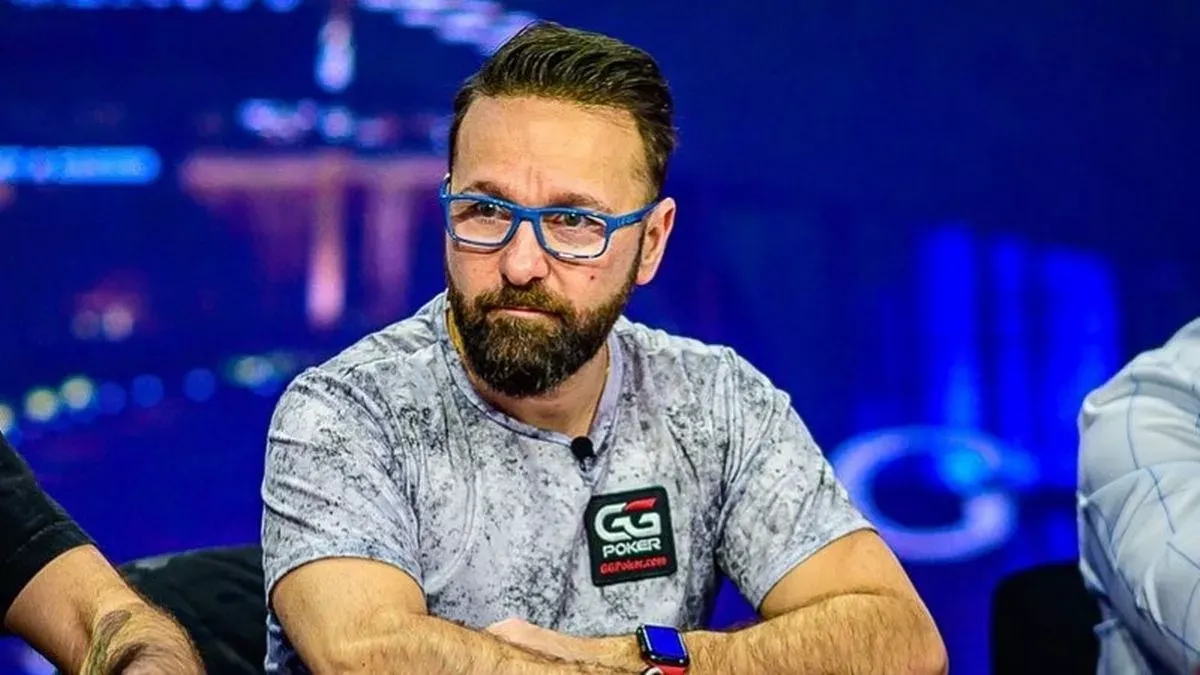
Seven WSOP bracelets - including a 2024 $50,000 Poker Players Championship victory that ended an 11-year drought - and $57.7 million in live tournament earnings form the foundation of Negreanu's estimated $60 million net worth. His ongoing GGPoker ambassadorship, MasterClass series, and YouTube channel all contribute additional income streams. The ability to call opponents' cards mid-hand isn't theater - it's a calculated psychological edge backed by genuine reading ability, deployed consistently across three decades.
Bryn Kenney – Est. $30-80 Million
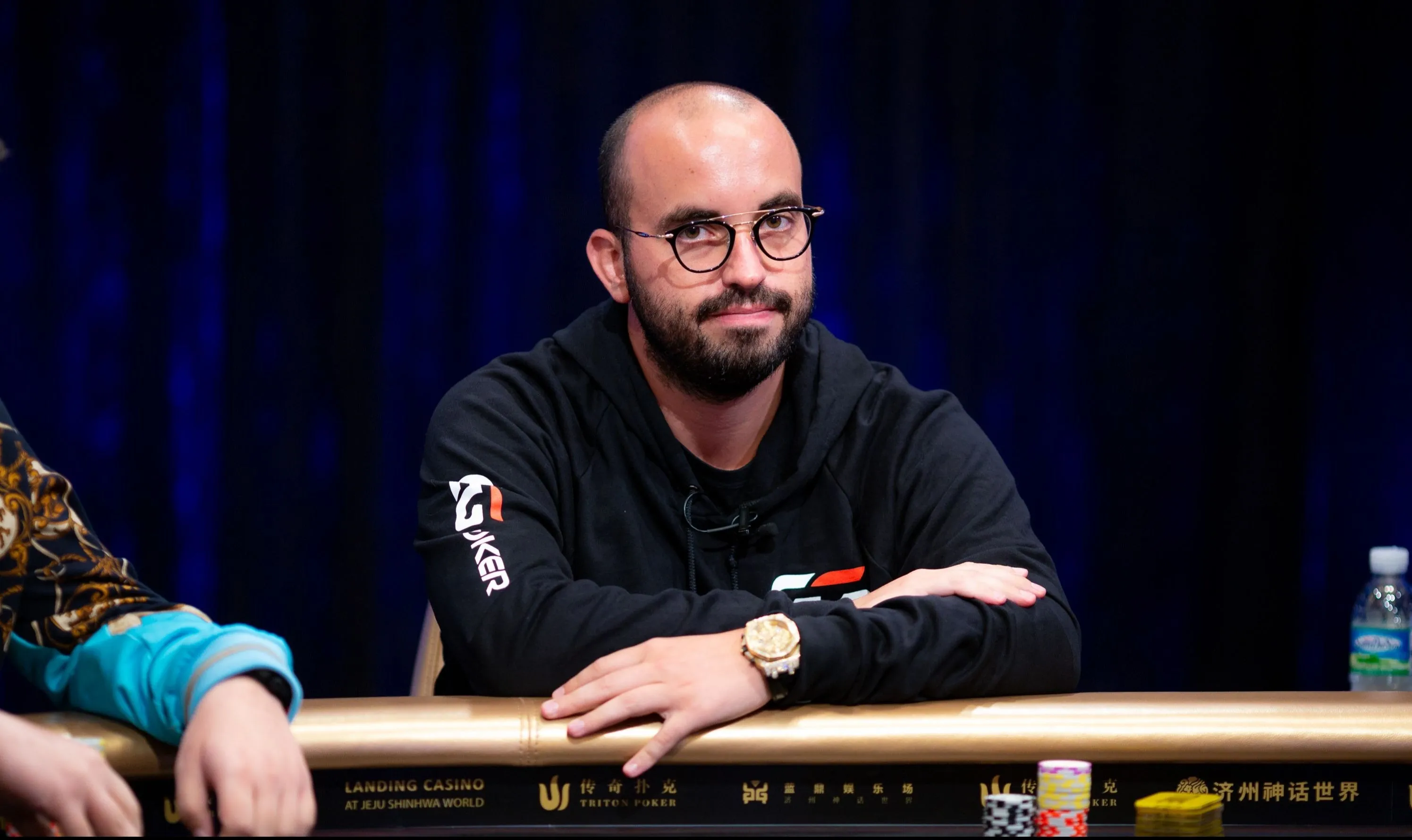
Kenney became the first player in history to surpass $80 million in live tournament earnings, reaching the milestone at WSOP Paradise in December 2025. His all-time record now stands at $81 million across 226 recorded cashes. The largest single payout in the list came in August 2019: a heads-up deal at the Triton Million for Charity in London secured him $20.5 million despite finishing second. Two WSOP bracelets, multiple Triton titles, and his involvement in the 4Poker platform round out a profile built on aggressive high-roller play and calculated business moves. Controversy around alleged cheating practices has followed his career - allegations he has consistently denied.
Chris Ferguson ~ $80 Million
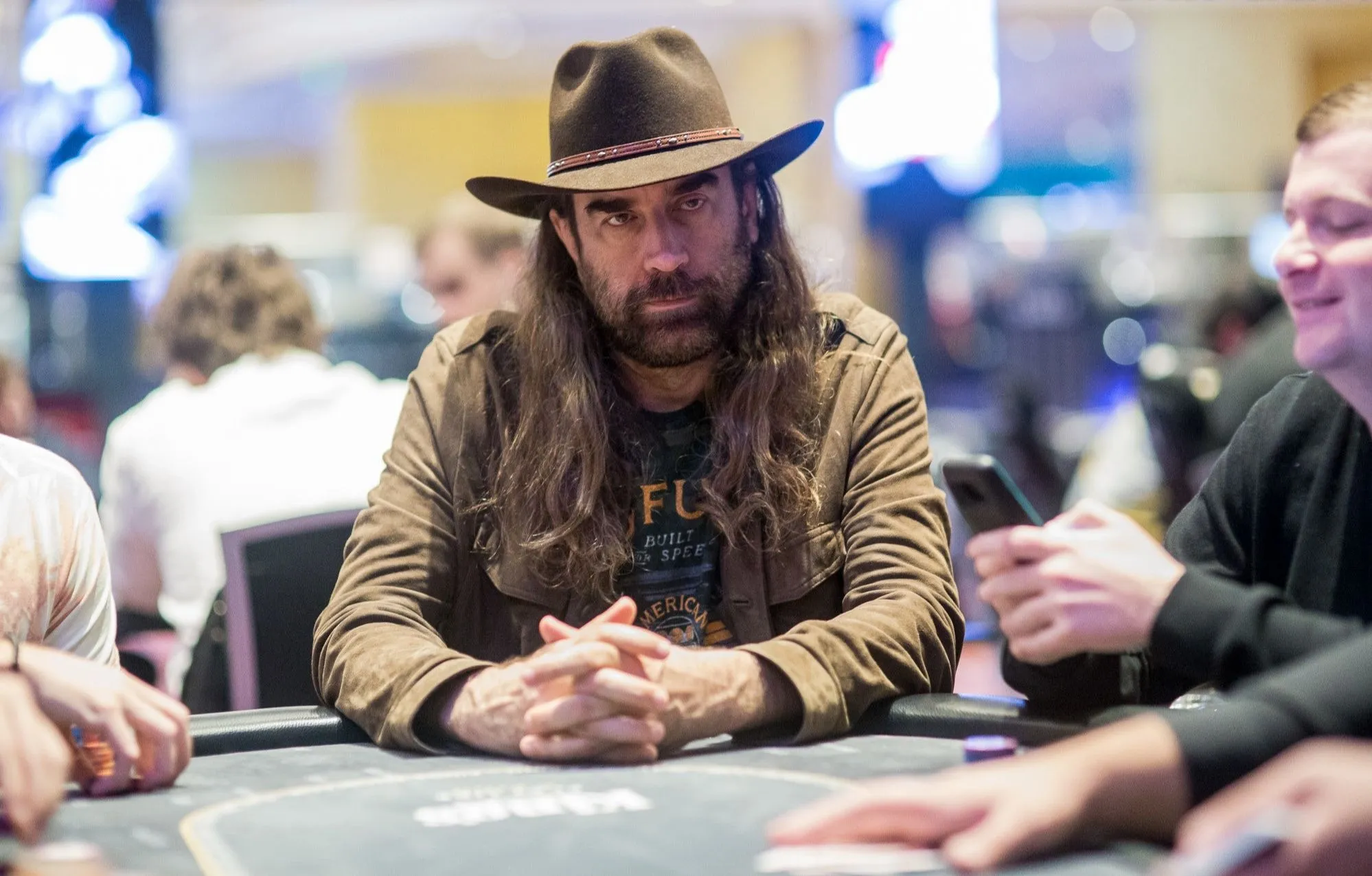
Ferguson applied computer science to poker before it was standard practice. His 2000 WSOP Main Event win and co-founding of Full Tilt Poker generated early wealth; the platform's collapse following Black Friday in 2011 nearly ended his public career entirely. A 2016 return to tournament play - including another WSOP bracelet - confirmed his recovery. The mathematical frameworks he helped popularize influenced an entire generation of players. Net worth estimates hold at approximately $80 million despite the lasting reputational damage from Full Tilt's collapse.
Sam Farha ~ $100 Million
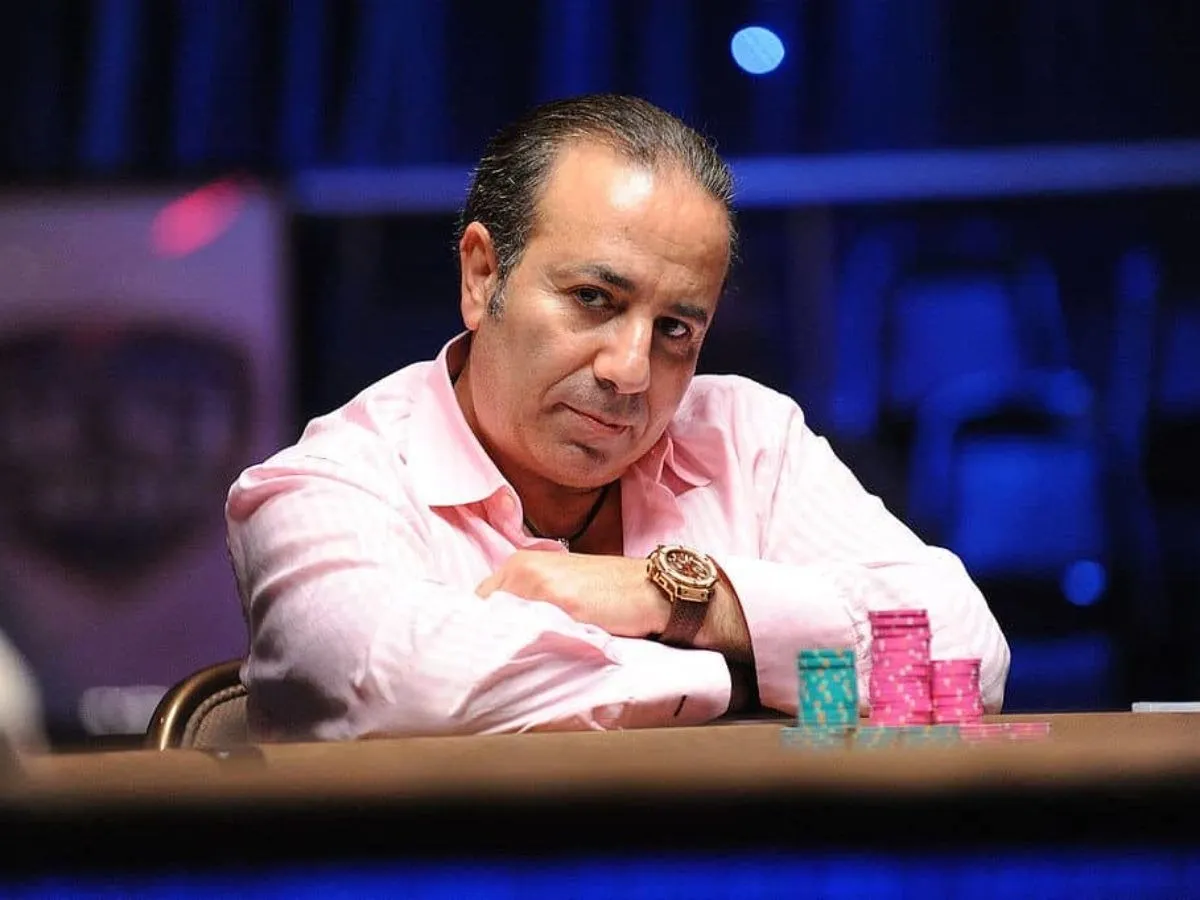
Farha built his $100 million fortune primarily in high-stakes cash games, not tournaments. As a longstanding fixture in Bobby's Room at the Bellagio, he specialized in Pot-Limit Omaha against wealthy opponents and fellow professionals. Three WSOP bracelets in PLO variants validate his technical edge at the format. His 2003 WSOP Main Event final-table appearance - runner-up to Chris Moneymaker in the hand that helped trigger poker's mainstream boom - put his name on the map globally, but consistent private cash game action over decades is where the real wealth accumulated.
Phil Ivey ~$100-125 Million

Phil Ivey net worth figures ranging from $100 million to $125 million reflect a career built largely outside tournament floors. Eleven WSOP bracelets - all won in non-Hold'em events, an all-time record - place him second on the bracelet list behind only Phil Hellmuth, with his 11th arriving in 2024 after a decade-long drought. Tracked live earnings stand at $54.5 million, but the bulk of his fortune came from Macau's exclusive cash games and private high-stakes sessions at Bobby's Room, where million-dollar swings were routine. Edge-sorting legal battles with Crockfords and Borgata added complexity, with Ivey settling the latter dispute in 2020. His standing as the game's greatest all-round competitor remains unchallenged.
Dan Bilzerian ~ $200 Million
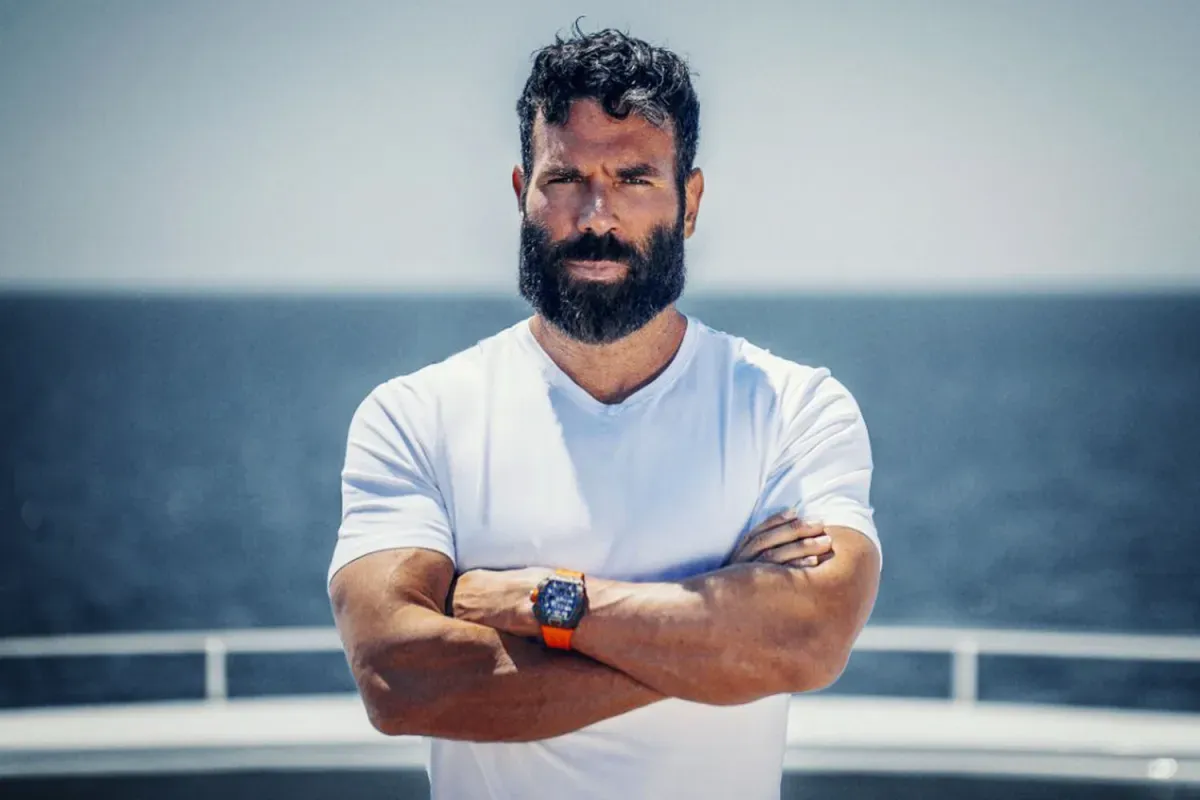
Bilzerian's relationship with poker is more about image than verified results. Claims of massive private game winnings circulate widely, but no independent corroboration exists. His background - son of corporate raider Paul Bilzerian - likely played a meaningful role in his early financial foundation. Ignite International Brands, the CBD and lifestyle company he launched in 2017, generated significant media attention before running into financial difficulties. His association with GGPoker as an ambassador ended quietly. Whether poker built his fortune or simply his personal brand, Bilzerian's net worth sits at an estimated $200 million.
Master a classic poker variant with our guide to its rules and strategies: How to Play 5-Card Draw Poker.
Tony G ~ $300 Million
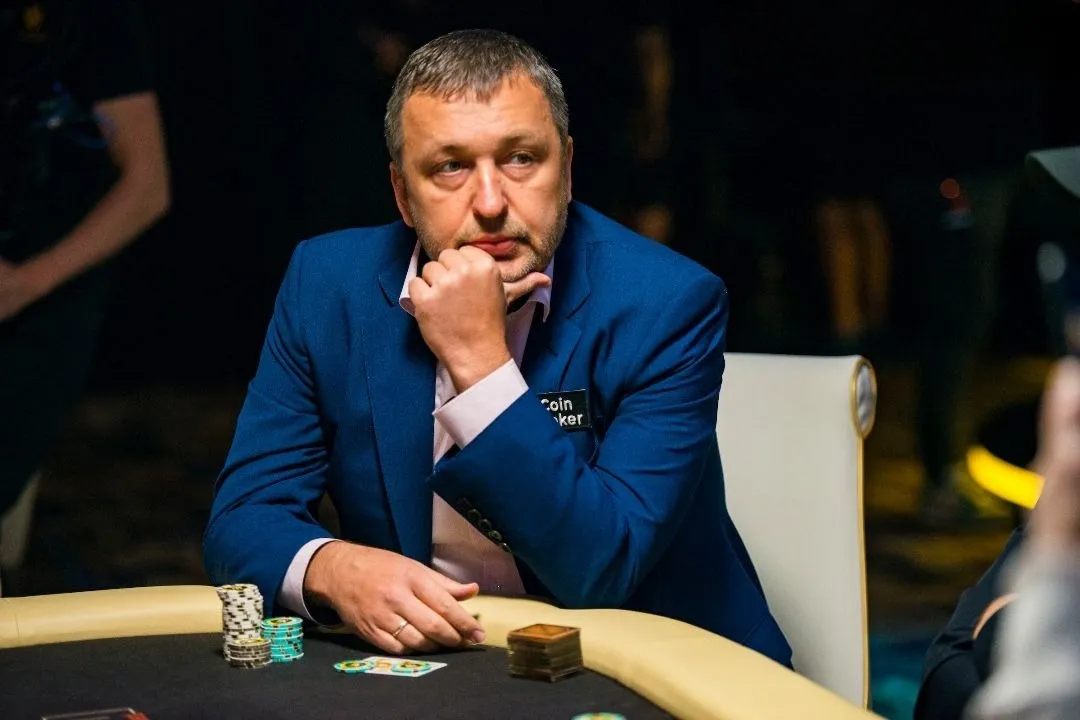
Antanas Guoga holds $11.3 million in live tournament earnings, but that figure is almost irrelevant against the broader picture. In February 2025, Tony G disclosed publicly that he had made over $100 million in business ventures in the preceding year and that his net worth was approximately $300 million. His portfolio spans Cyberphunk Holdings (cryptocurrency and blockchain), Sol Strategies Inc. (of which he serves as chairman), and stakes in multiple poker and gaming businesses. PokerNews, which he founded in 2002, helped establish his media footprint early. A term as a Member of the European Parliament representing Lithuania from 2014 to 2019 extended his influence well beyond the poker ecosystem. Poker gave Tony G his platform; business delivered the scale.
Paul Phua - $400 Million to ~$1 Billion
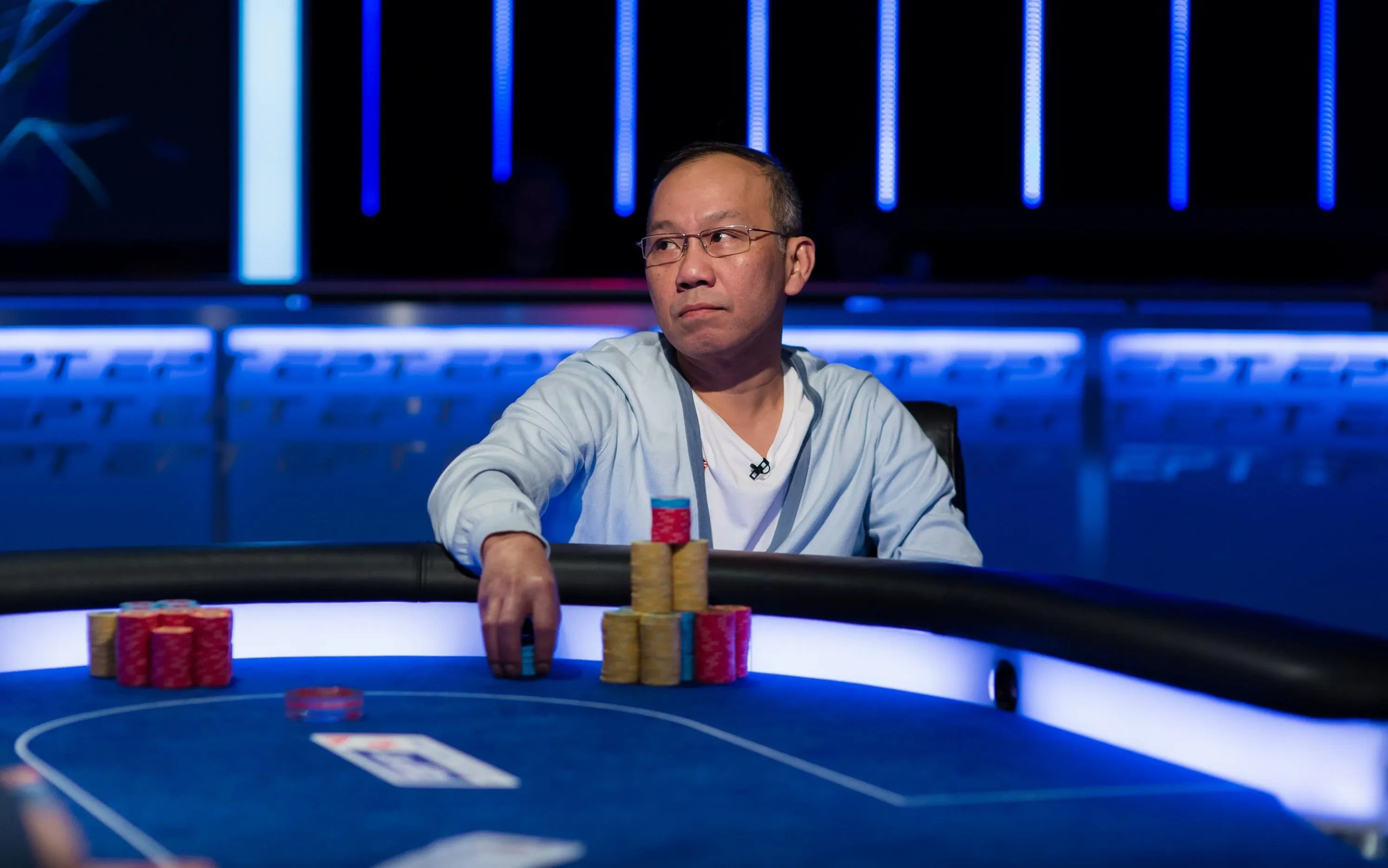
Co-founder of IBCBet, one of Asia's largest online betting platforms, Phua represents the convergence of high-stakes poker culture and serious iGaming infrastructure. Born in Malaysia, he regularly competes in Macau's ultra-high-stakes cash games and is a central figure in Triton Poker events, which he helps support. His $30 million in live tournament winnings are secondary to his business holdings - most of his fortune was built entirely outside the felt. A 2014 U.S. legal case involving illegal sports betting was ultimately dismissed. Net worth estimates vary considerably, with some sources placing the figure close to the billion-dollar mark.
Andy Beal ~$12.6 Billion

Andy Beal occupies an entirely separate category. A self-made Dallas banker who started by repairing televisions as a teenager, Beal turned early real estate investments - buying distressed properties at federal auctions - into Beal Bank and Beal Bank USA, which together controlled more than $14.5 billion in assets as of December 2025. His model is disciplined and contrarian: acquire distressed assets during crises when others retreat. California energy bonds in 2001, aviation debt after 9/11, commercial real estate loans during the 2008 crisis - each market dislocation became a buying opportunity. Forbes and Bloomberg place his personal net worth at approximately $12.6 billion as of early 2026.
His poker story is a footnote financially, but historically remarkable. Beginning in 2001 at the Bellagio, Beal challenged professional players in heads-up limit Hold'em at stakes reaching $100,000/$200,000 blinds. A coalition of top pros - including Phil Ivey, Doyle Brunson, Jennifer Harman, and others - pooled resources as "The Corporation" to face him. Beal won $11.7 million on a single day in May 2004. Ivey ultimately ended the run in 2006, winning $16.6 million across three days. Total estimated poker losses exceed $100 million - less than 1% of Beal's net worth. For him, the table was never a business. It was a mathematical problem worth solving.
For players looking to develop across formats, Short Deck Poker strategy and rules offer an excellent entry point into the game's most competitive modern variant.
Want to play like the pros? Discover the best platforms to test your skills: Best Poker Apps.
Explore a thrilling poker format and learn how to excel: Short Deck Poker: Strategies, Rules and Tips.
FAQ
Andy Beal, with a net worth of $12 billion, is the wealthiest person ever to sit at a poker table - though his fortune was built through banking and real estate, not poker itself. Among career poker professionals, Paul Phua leads with an estimated $400 million to $1 billion.
Top tournament professionals like Justin Bonomo and Bryn Kenney have surpassed $63-65 million in live earnings. However, most of the wealth among the richest poker players comes from cash games, sponsorships, business ventures, and investments rather than tournament prize pools alone.
Buffett has spoken about poker as a game that rewards reading people and understanding probability - skills he applies to investing. While not a known high-stakes player, he has referenced poker logic in discussions about risk assessment and decision-making under uncertainty.
Sergey Ilyin
An experienced specialist in the field of betting and gambling. He analyzes market trends, player behavior, and the dynamics of online gaming platform development. An expert in the intricacies of sports betting and knowledgeable about the regulatory framework of the gambling industry.